A journey through time
World history courses, in chronological order
Nine courses that follow humanity from the first tools to the internet. Start at the beginning, or jump to the period that makes you curious.
Course 1 · Prehistory to c. 1000 BCE
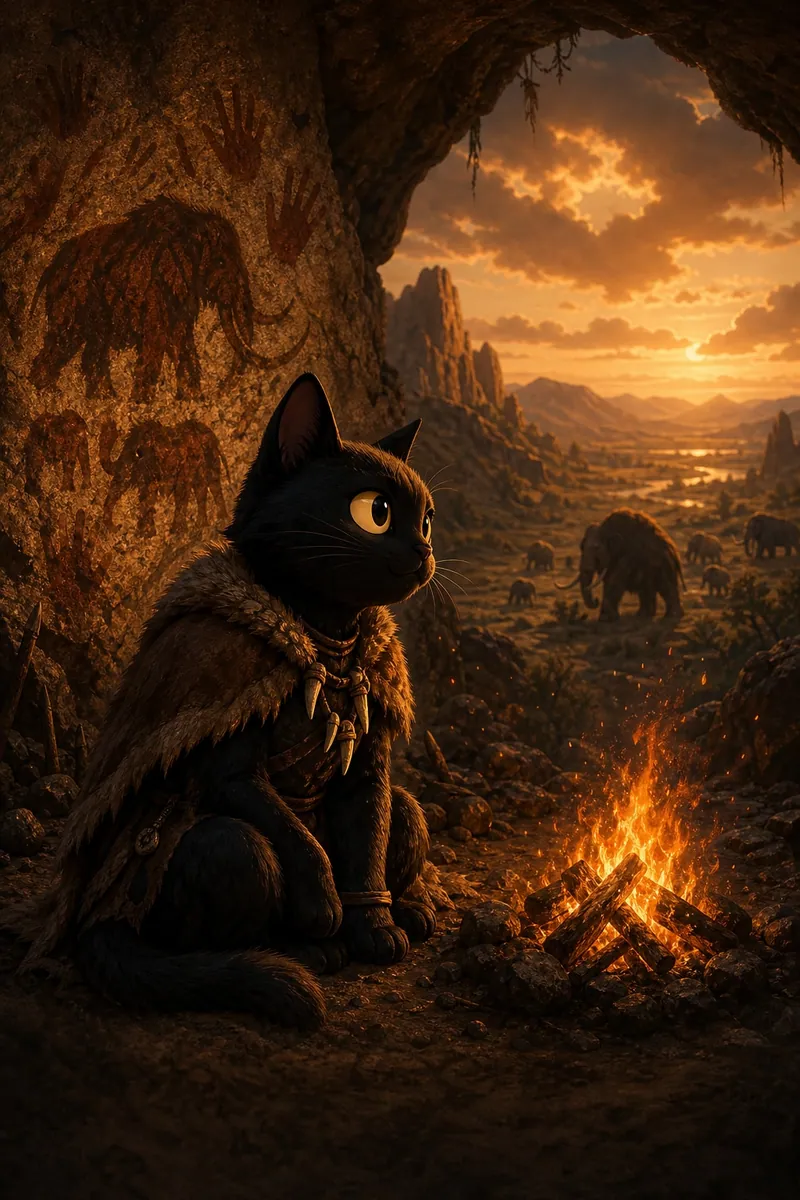
The Dawn of Humanity
Most of the human story happened before anyone wrote it down. People learned to make tools and fire, spread across the planet, took up farming and built the first cities.
6 modules · 37 lessons
Course 2 · c. 550 BCE to 476 CE
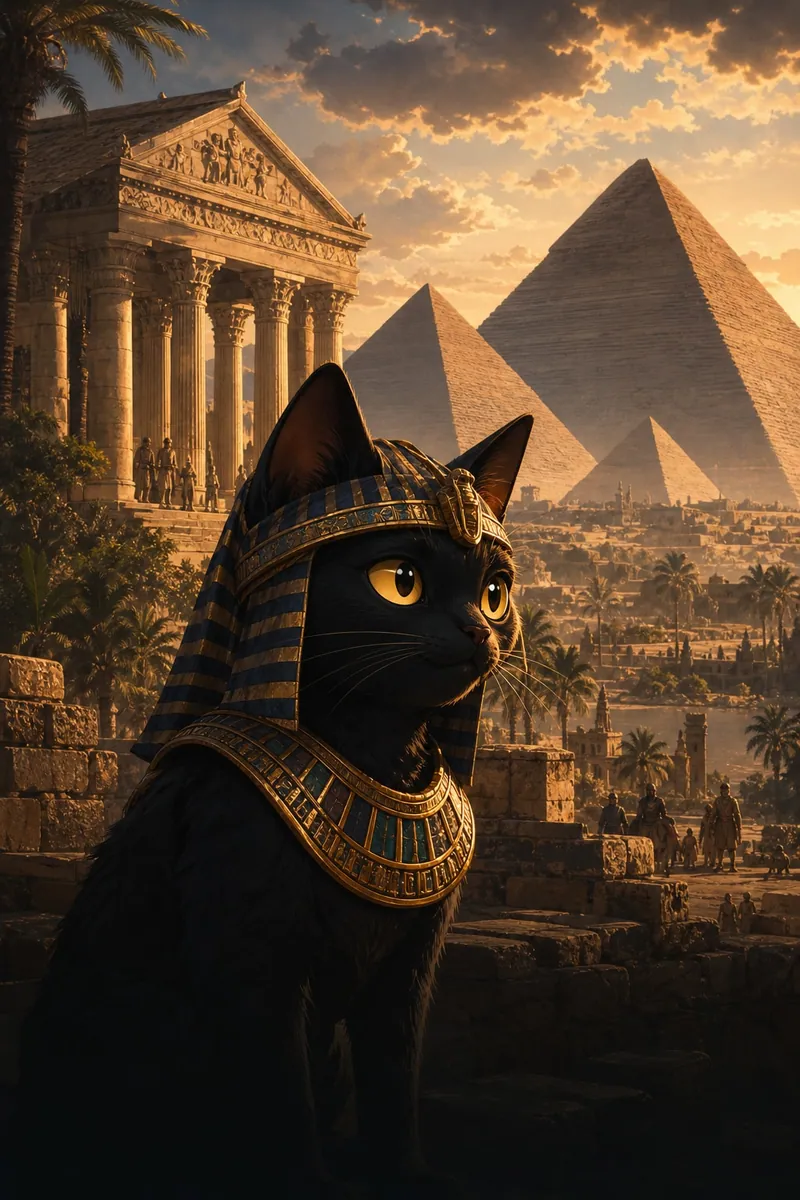
The Ancient World
Persia, Greece and Rome built the first empires that reached across continents, while India and China shaped how millions lived and believed. Their philosophies and religions still shape the world.
6 modules · 42 lessons
Course 3 · c. 500 to 1500
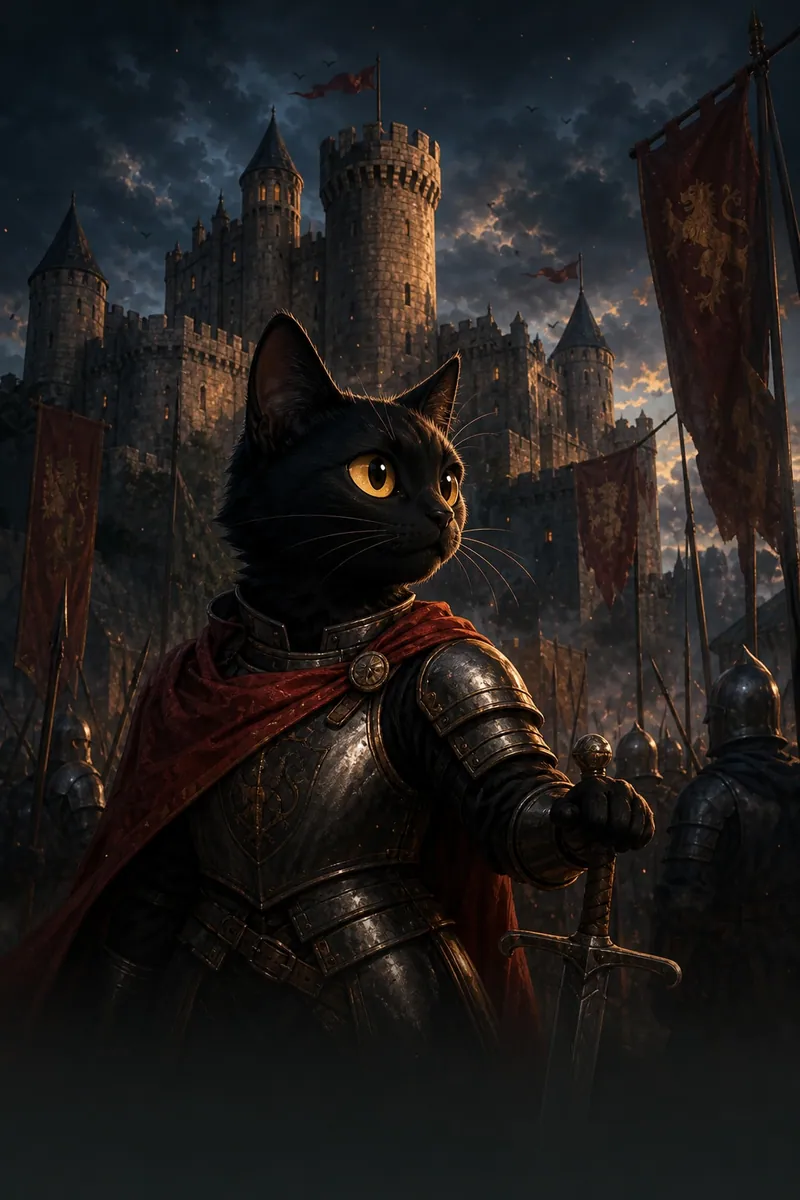
The Middle Ages
After Rome's western empire fell, Byzantium kept the Roman world alive in the east, Islam rose and spread, and Europe built its kingdoms, castles and cathedrals. The Mongols and the Black Death then shook every society they touched.
7 modules · 46 lessons
Course 4 · c. 1400 to 1700
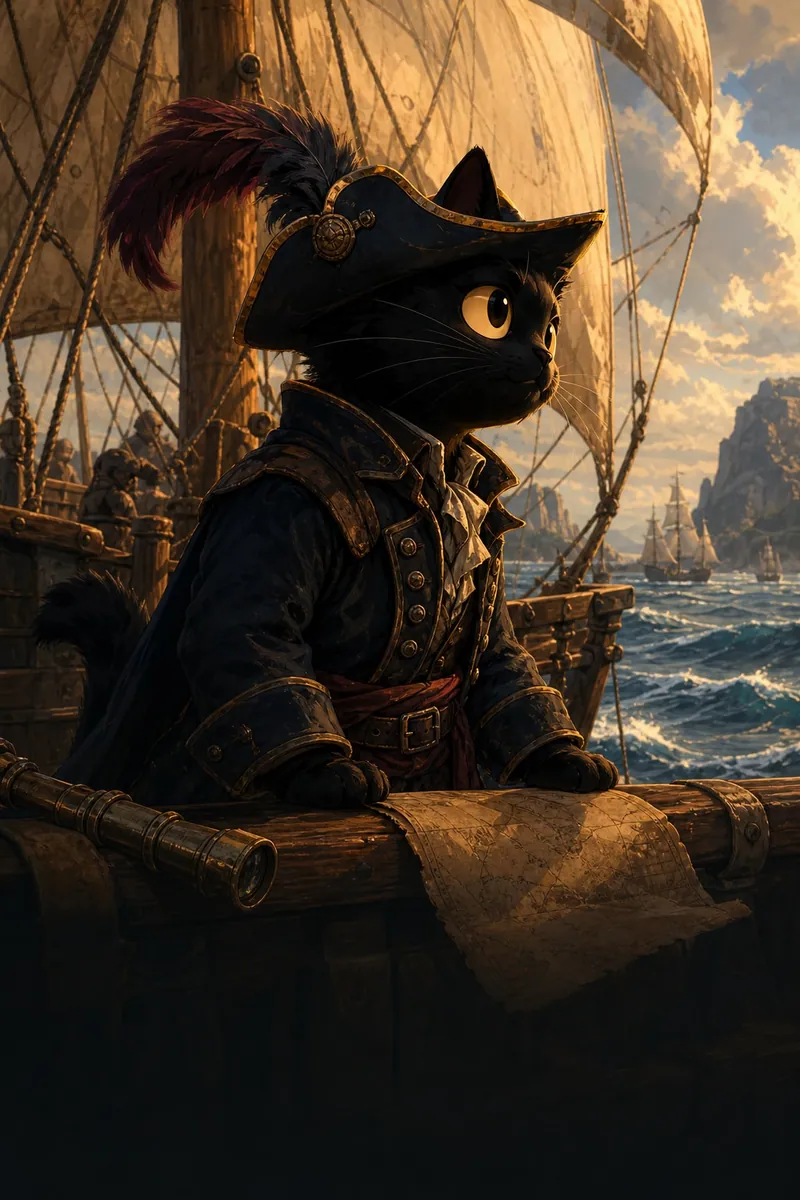
Exploration and Empires
In a few generations Europeans crossed the Atlantic and sailed around Africa to Asia, linking continents that had never been in regular contact. At home the Renaissance and the Reformation changed art, science and faith.
6 modules · 38 lessons
Course 5 · 1700s to 1820s
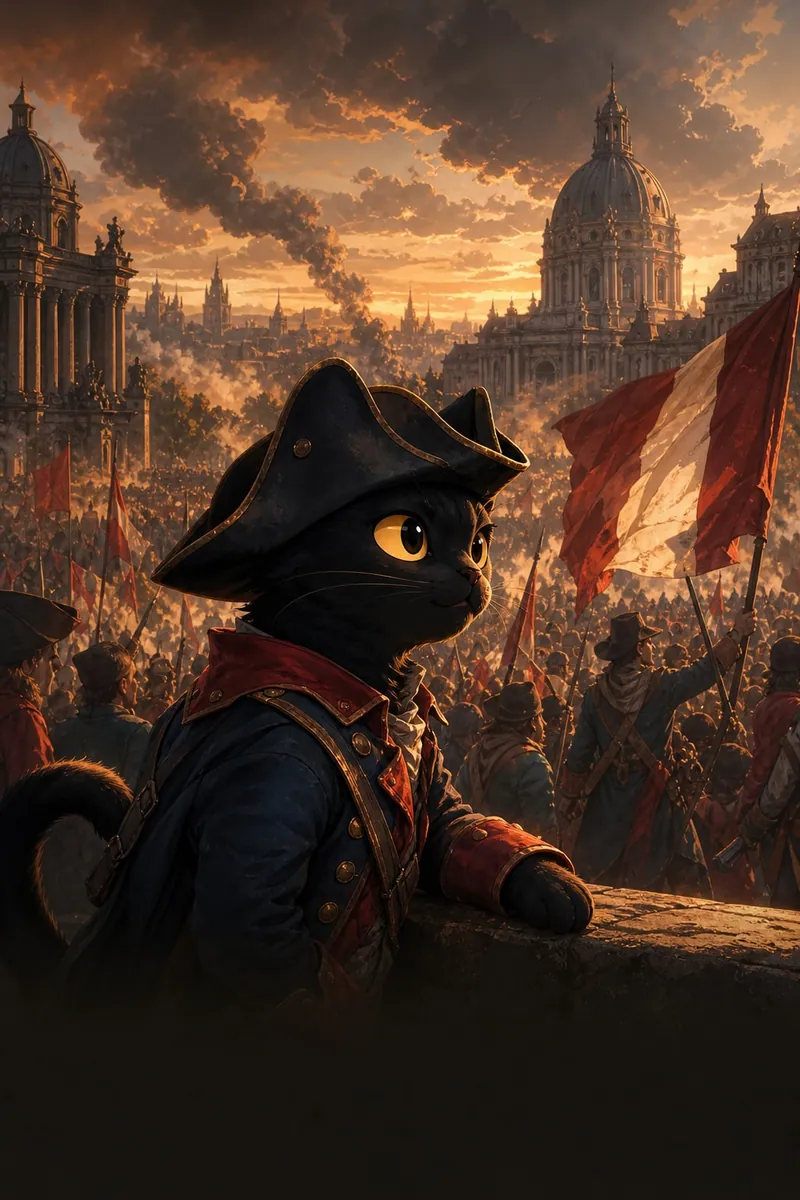
The Age of Revolutions
Thinkers began to argue that power belongs to people, not to kings. Within a few decades those arguments were fought over from the American colonies to Paris, and then across Latin America.
5 modules · 33 lessons
Course 6 · c. 1760 to 1914
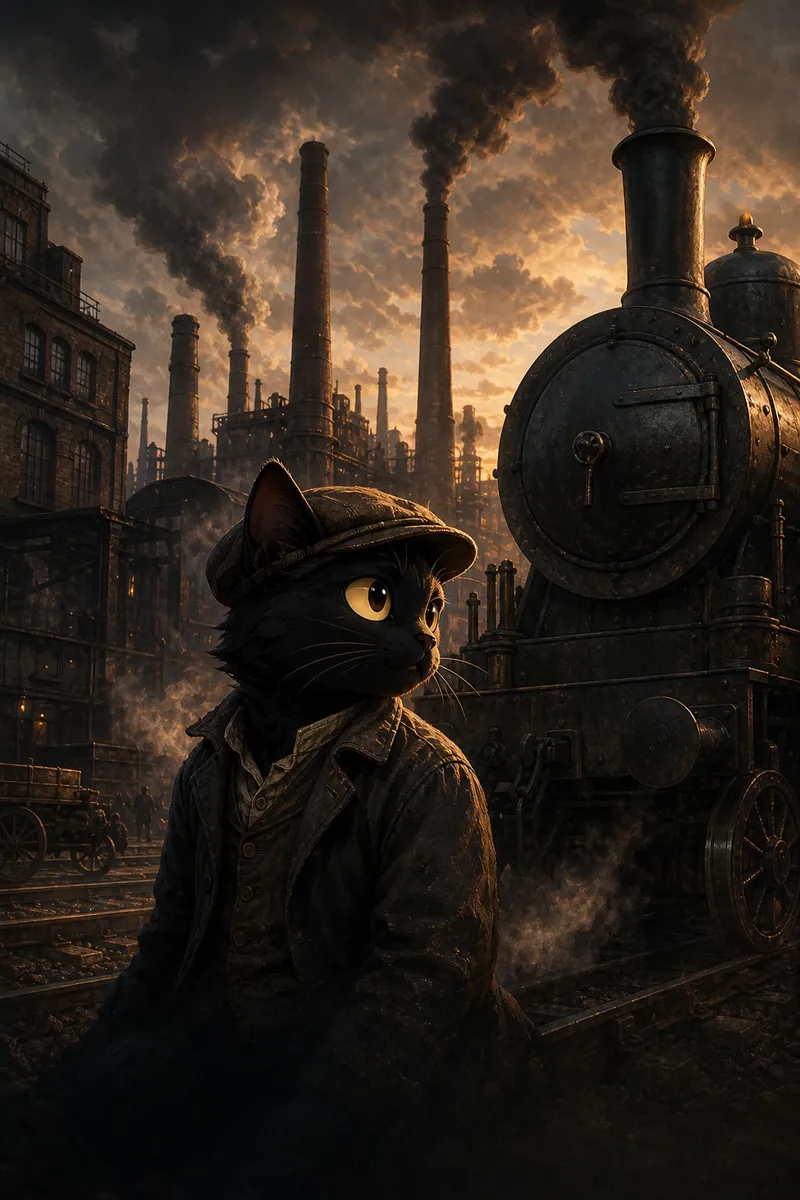
The Industrial Age
It began in Britain with coal, iron and steam. Within a century factories and railways had changed how people worked and lived, and industrial powers were reshaping nations and empires.
6 modules · 39 lessons
Course 7 · 1914 to 1945
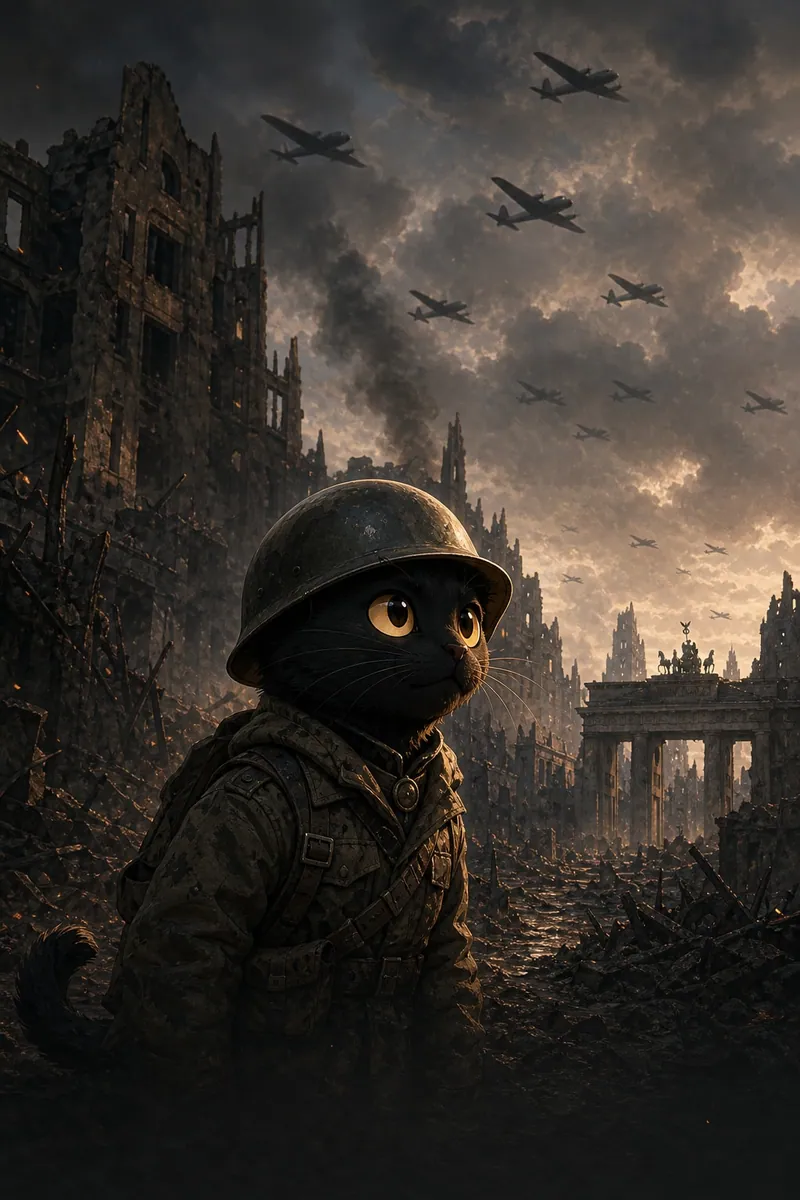
The World Wars
A crisis in 1914 pulled Europe's great powers into a war that swept away four empires. Revolution, depression and dictatorship then led the world into a second, even larger war that ended in 1945.
7 modules · 49 lessons
Course 8 · 1945 to c. 1975
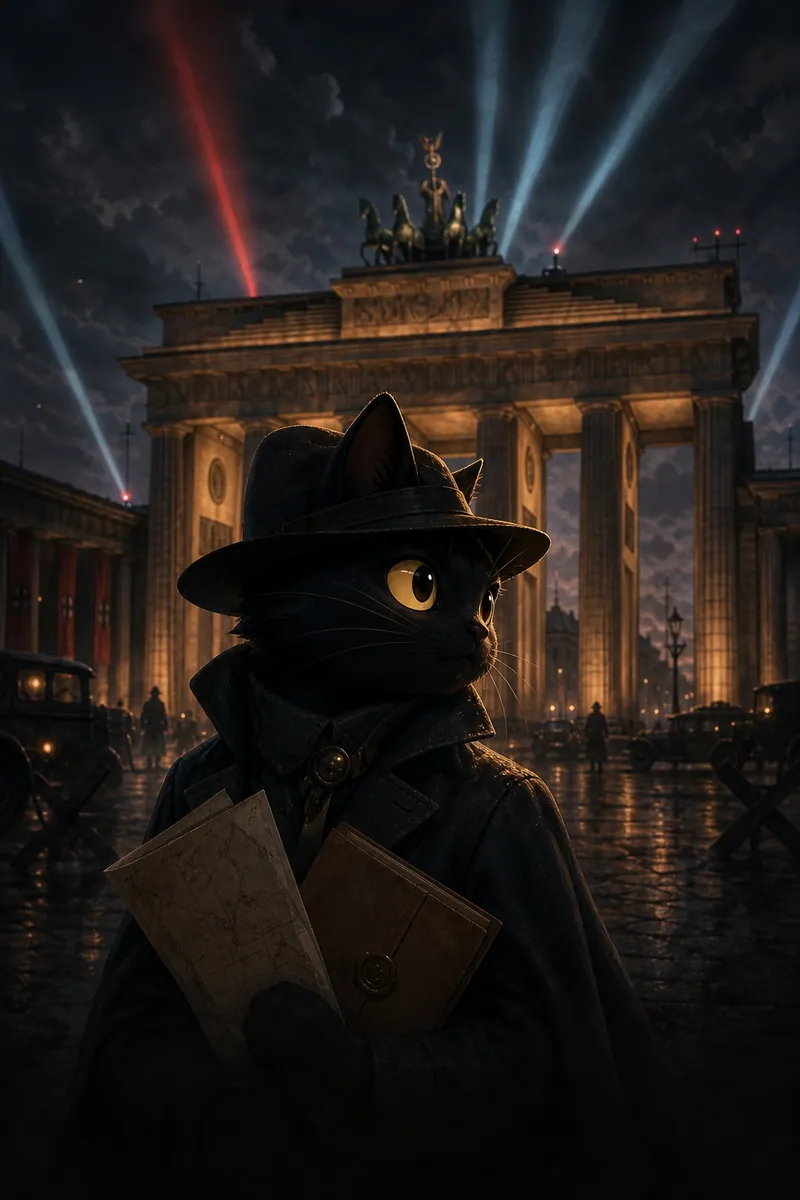
The Cold War
The United States and the Soviet Union, allies against Germany, became rivals who never fought each other directly but competed in arms, in space and in the wars of other countries.
8 modules · 54 lessons
Course 9 · 1970s to 2000
The End of the Millennium
Oil shocks, China's opening, the fall of the Berlin Wall and the collapse of the Soviet Union changed the map of power. Television, trade and then the internet began to connect the whole world.
7 modules · 43 lessons